
I've been watching agents struggle with online leads for years, and frankly, most of them have completely unrealistic expectations about what it takes...
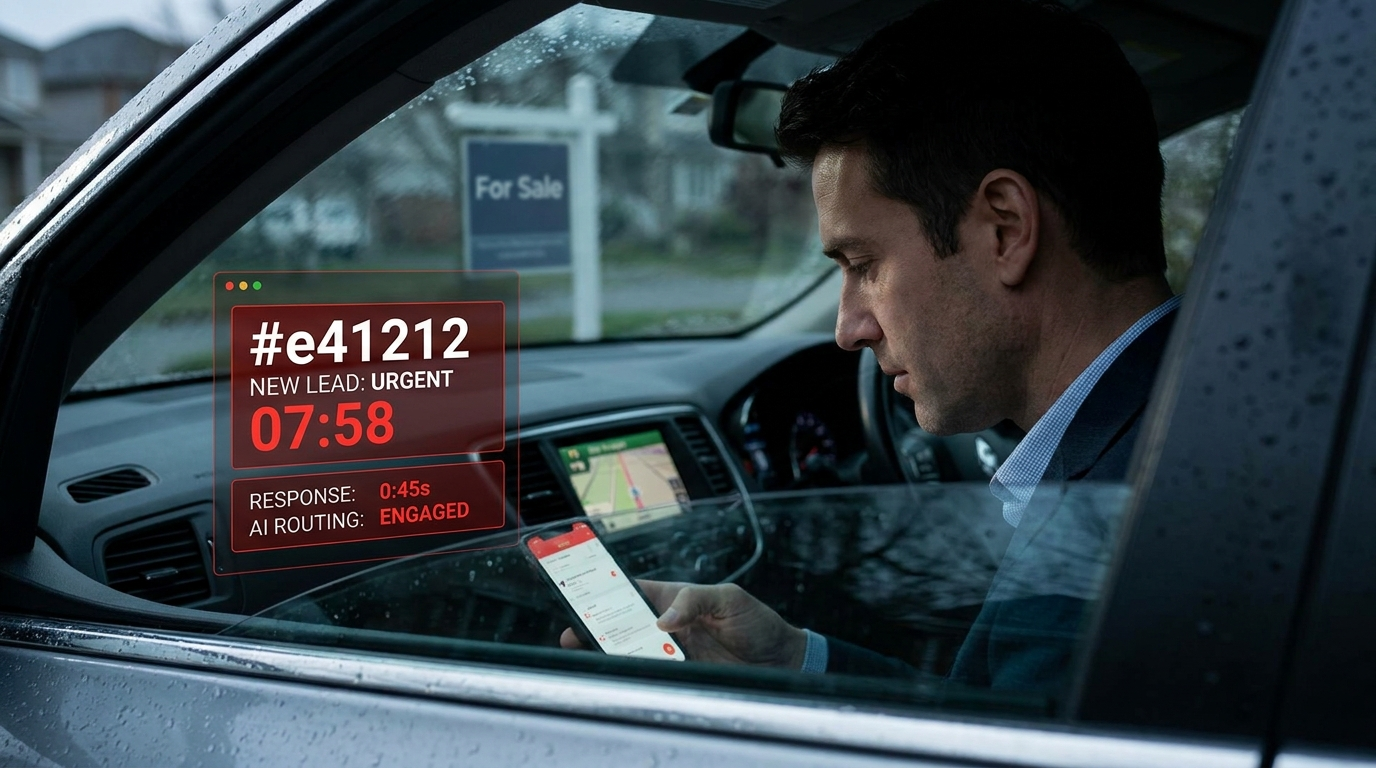
I've been watching agents struggle with online leads for years, and frankly, most of them have completely unrealistic expectations about what it takes to convert these prospects. The numbers don't lie, and they're pretty sobering.
According to recent industry data, over 70% of real estate leads require at least five contact attempts before they even engage with you. That's not five attempts to close them - that's five attempts just to get them to respond to your first message or pick up the phone. Even more eye-opening? Only 1.5% of online leads actually make it to a completed transaction.
If those numbers make you want to throw your phone across the room, you're not alone. But before you give up on lead generation entirely, let's dig into what separating the successful agents from the ones who quit after three phone calls.
The Multi-Channel Marathon
Here's where most agents go wrong: they think one channel is enough. You call once, maybe send an email, and when the lead doesn't respond immediately, you move on to the next one. That approach is setting you up for failure.
Converting online leads in 2026 requires a multi-channel strategy that includes:
- Phone calls - Still the gold standard for building rapport
- Text messages - Perfect for quick check-ins and staying top of mind
- Emails - Great for sharing valuable content and market updates
- Social media engagement - Following up on platforms where they're active
- Video messages - Personal touches that help you stand out
The key is spacing these touchpoints strategically. You don't want to bombard someone with five contacts in one day, but you also can't wait weeks between attempts. I've found that a mix of immediate follow-up within the first hour, then spaced touches over several weeks works best.
The 6-18 Month Timeline Reality
This might be the hardest pill to swallow: the average conversion timeline for online leads is 6-18 months. That means the lead you captured in January might not close until the following year.
Most agents aren't prepared for this timeline. They expect leads to be ready to buy or sell within 30-60 days, and when that doesn't happen, they assume the lead is dead. Wrong move.
The reality is that people research real estate decisions for months, sometimes over a year, before they're ready to move forward. Your job is to stay relevant and helpful during that entire journey, not just when they're ready to sign paperwork.
This long timeline requires a systematic approach to nurturing. You need automated sequences, regular check-ins, and valuable content that keeps you front and center when they're finally ready to make a move.
Why Most Agents Give Up Too Soon
I see it happen all the time. An agent gets excited about a new lead, makes a couple of contact attempts, doesn't get an immediate response, and moves on. They're essentially throwing money away.
The problem is that most agents don't have systems in place to handle long-term nurturing. They rely on memory and manual processes, which inevitably leads to leads falling through the cracks.
Here's what I've learned from agents who successfully convert online leads: they treat lead nurturing like a business process, not a hobby. They have CRM systems, automated follow-up sequences, and they track every interaction. They understand that persistence pays off, but only when it's systematic and valuable to the prospect.
The Mental Game of Lead Nurturing
Converting online leads is as much a mental game as it is a tactical one. You need to be prepared for rejection, silence, and the occasional rude response. It comes with the territory.
But here's the thing: every "no" gets you closer to a "yes." The agents who succeed with online leads understand that it's a numbers game played over a long timeline. They don't take rejections personally, and they don't give up after a few attempts.
You also need to provide value in every interaction. Don't just call to ask if they're ready to buy. Share market insights, send neighborhood updates, offer helpful tips. Make every touchpoint count.
A Better Alternative: Real Estate Referrals
Now, after painting this rather challenging picture of online lead conversion, let me share something that might restore your faith in lead generation: referral leads are completely different.
When someone refers a prospect to you, that person comes with built-in trust. They've already been told by someone they know and trust that you're the agent to work with. That changes everything.
Referral leads typically require fewer touchpoints, convert at higher rates, and have shorter timelines because they're usually further along in their decision-making process. Instead of spending months building trust from scratch, you start with a foundation that someone else has already laid for you.
The numbers speak for themselves: while online leads convert at about 1.5%, quality real estate referrals can convert at rates of 10-20% or higher. The difference is dramatic.
Setting Yourself Up for Success
Whether you're working online leads or referrals, success comes down to having the right systems and expectations. You need a CRM that can handle long-term nurturing, automated sequences that provide value over time, and the mental fortitude to stick with leads for months.
But if you're tired of the uphill battle that comes with online leads, it might be time to focus more energy on generating consistent referral opportunities. The conversion rates are higher, the timelines are shorter, and the relationships tend to be more rewarding.
The real estate business is challenging enough without making it harder than it needs to be. While online leads can work, they require a level of persistence and systematic follow-up that many agents aren't prepared for. Sometimes the smartest move is to focus your energy on lead sources that are more likely to pay off.
If you're ready to explore a more efficient approach to lead generation that doesn't require months of nurturing before you see results, it's worth investigating exclusive real estate referrals that come to you with higher conversion potential built right in.