You know the feeling. A lead fills out your contact form, seems engaged during your first conversation, maybe even schedules a showing or asks detaile...
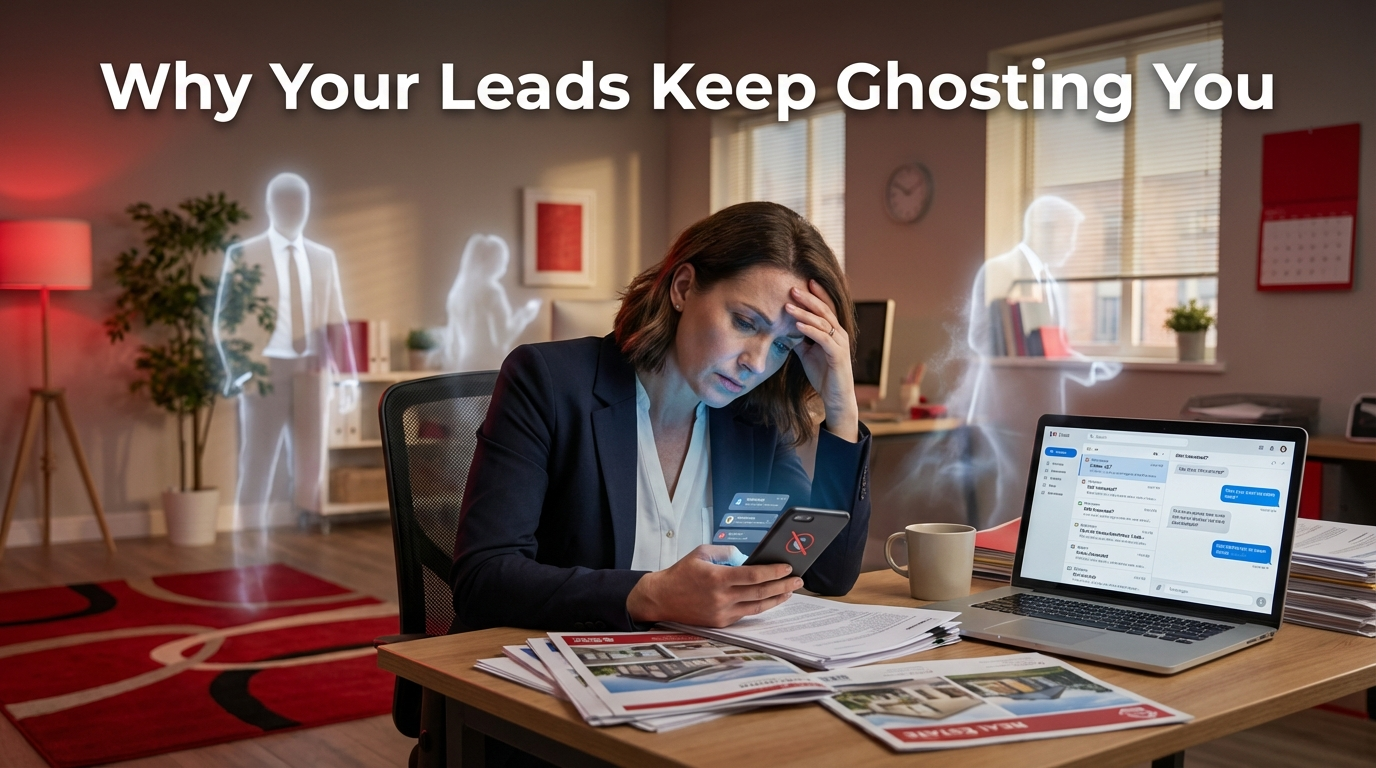
You know the feeling. A lead fills out your contact form, seems engaged during your first conversation, maybe even schedules a showing or asks detailed questions about the market. Then... radio silence. They've vanished like a ghost in the night, leaving you wondering what went wrong.
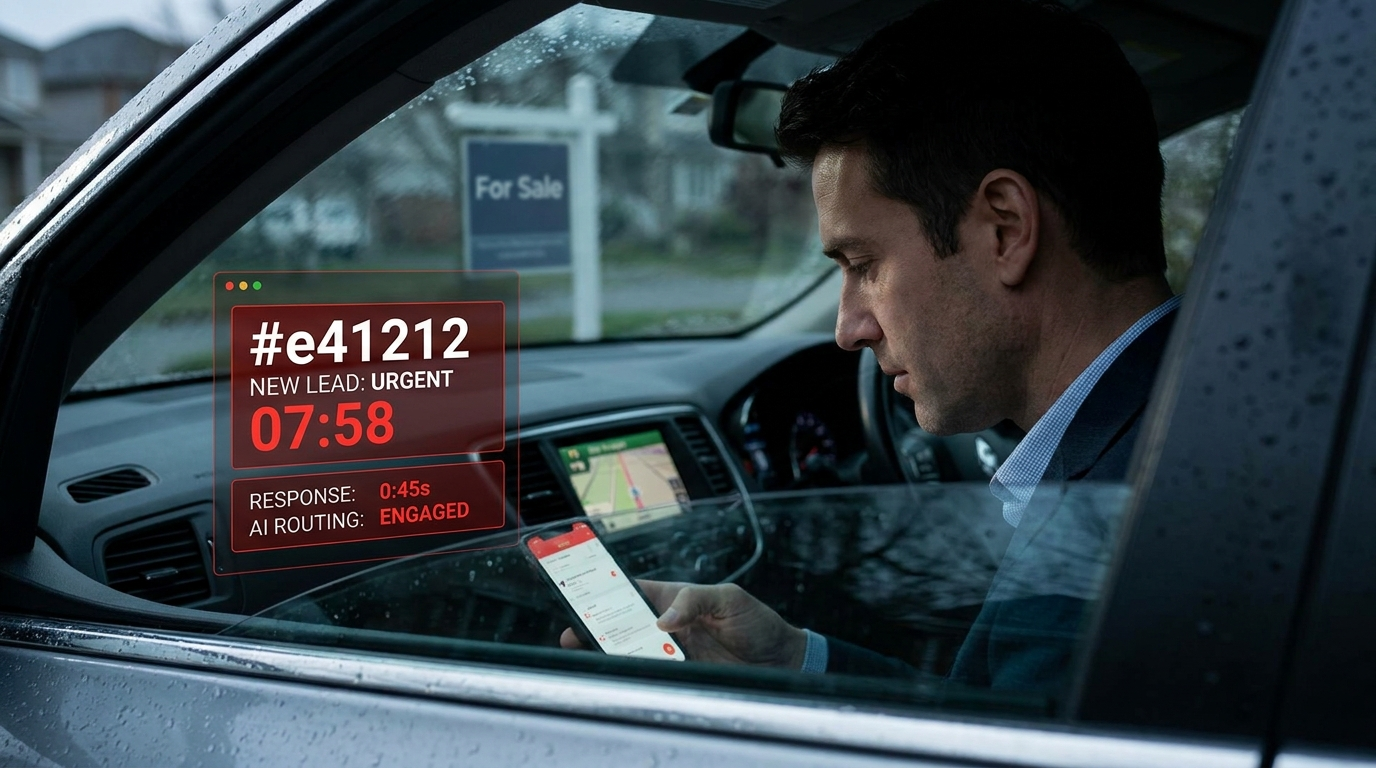
This frustrating phenomenon has become an epidemic in our industry. Research shows that online leads ghost real estate agents at rates exceeding 40%, which means nearly half of your potential clients will simply disappear without explanation. After dealing with this for years myself, I've learned there are specific psychological reasons why this happens - and more importantly, how to avoid it entirely.
The Psychology Behind Lead Ghosting
When I first started getting online leads, I couldn't understand why people who seemed so interested would suddenly stop responding. After analyzing hundreds of interactions, I discovered four main culprits behind the ghosting epidemic:
Buyer's Remorse Before They Even Buy
Online leads often make impulsive decisions to reach out. They might be browsing homes late at night, get excited about a property, and submit an inquiry form. But in the cold light of day, reality sets in. They start second-guessing whether they're actually ready to buy or sell, especially if they haven't done much financial planning beforehand.
I've had countless leads who seemed enthusiastic during our first call, only to realize they hadn't even been pre-approved for a mortgage or seriously considered their timeline. The excitement fades, and rather than admit they jumped the gun, they simply stop responding.
The Trust Factor Is Missing
Think about it from their perspective. They found you through a Google search or Facebook ad - you're essentially a stranger trying to help them make one of the biggest financial decisions of their lives. Without any personal connection or recommendation, you're starting from zero on the trust scale.
Online leads are naturally skeptical because they've likely been bombarded by aggressive sales tactics from other agents. They're waiting for you to prove your worth, but they're also ready to bolt at the first sign of pressure or unprofessionalism.
Information Overload and Pressure
Many agents make the mistake of overwhelming new leads with information during the first interaction. We get excited about a potential client and dump everything we know about the market, our services, and the buying process in one conversation.
This approach backfires spectacularly. Instead of being helpful, it makes leads feel pressured and overwhelmed. They start to feel like they're being "sold to" rather than helped, which triggers their flight response.
Poor Communication Habits
Some agents unknowingly push leads away through poor communication. This includes being too aggressive with follow-up, using pushy sales language, or failing to listen to what the lead actually wants. I've seen agents lose promising leads by immediately launching into their elevator pitch instead of asking questions and building rapport.
The Referral Lead Advantage
Here's where things get interesting. While online leads ghost at rates above 40%, exclusive real estate referrals have dramatically lower ghosting rates. The difference is night and day, and it comes down to one crucial factor: built-in trust and motivation.
When someone refers a friend or family member to you, they're essentially vouching for your character and competence. The lead comes to you with a completely different mindset. Instead of being skeptical and guarded, they're already predisposed to trust you because someone they respect recommended your services.
This changes the entire dynamic of your first interaction. Instead of starting from zero and having to prove yourself, you begin the relationship with established credibility. The lead is more likely to be honest about their timeline, budget, and concerns because they view you as a trusted advisor rather than a pushy salesperson.
Pre-Sold on Your Value
Referral leads have usually heard positive stories about your work before they even contact you. The referring party has likely shared details about how you helped them, your communication style, and the results you achieved. By the time they reach out, they're already sold on working with you - they just need to discuss the specifics of their situation.
This pre-selling effect eliminates much of the skepticism and resistance you face with cold online leads. Instead of having to convince them you're worth their time, you can focus on understanding their needs and providing value.
Creating Warmer Conversations From Day One
The beauty of referral leads is that your first conversation feels more like talking to a friend of a friend rather than a cold sales call. The lead already knows your name, has heard good things about you, and is calling because they want your help - not because they accidentally clicked on an ad.
This warmth translates into more productive conversations where leads are willing to share real information about their situation. They're less likely to give you fake contact information or vague timelines because they're genuinely interested in moving forward with someone who comes recommended.
I've noticed that referral leads also tend to be more realistic about the buying or selling process. Since they've heard firsthand accounts from the referring party, they have better expectations about timelines, market conditions, and what working with an agent actually involves.
The Numbers Don't Lie
The conversion rates speak for themselves. While online leads might convert at 1-3%, referral leads typically convert at much higher rates because they come with genuine motivation and pre-established trust. They're not just browsing - they're actively seeking help from someone who's been recommended to them.
More importantly, referral leads stick around for the entire process. They don't ghost after the first conversation because they have accountability to the person who referred them. Nobody wants to tell their friend or family member that they wasted the time of the agent they recommended.
Building a Referral-Based Business
Understanding the psychology behind lead ghosting has completely changed how I approach building my business. While online leads will always have a place in real estate marketing, focusing on generating consistent referrals creates a more stable and enjoyable practice.
The key is developing systems that help you cultivate and maintain the relationships that generate these high-quality referrals. This means staying in touch with past clients, building relationships with other professionals who serve your target market, and always delivering exceptional service that people want to recommend to others.
If you're tired of dealing with leads who ghost after showing initial interest, it might be time to shift your focus toward building a referral-based business. The leads are warmer, more committed, and actually follow through on their real estate goals.
Ready to stop chasing ghosts and start working with motivated, pre-qualified referral leads every month? Check Your Territory to see how Pay Per Closing can help you build a more predictable pipeline of exclusive real estate referrals that actually stick around and close deals.