Remember when everyone was convinced that iBuyers would make real estate agents extinct? Well, that narrative just took a dramatic turn. Opendoor, the...
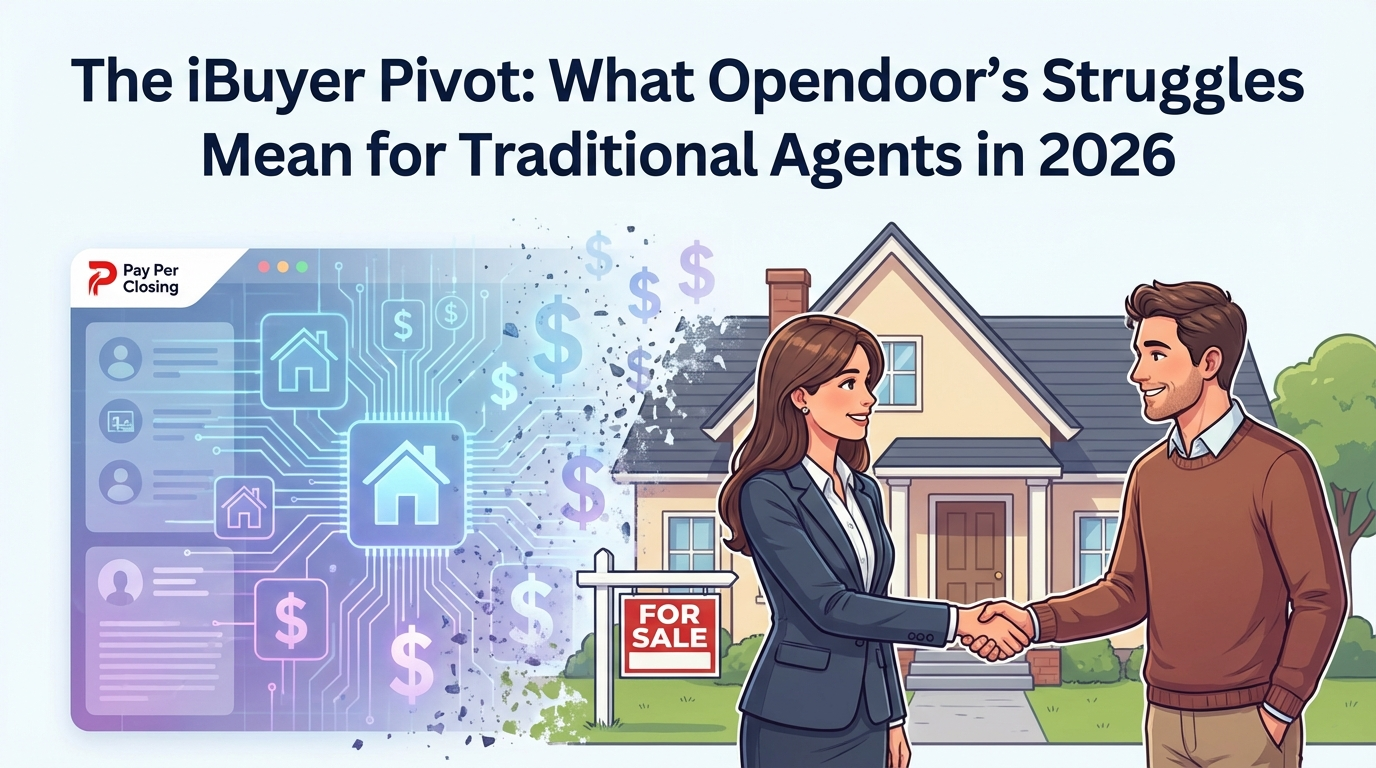
Remember when everyone was convinced that iBuyers would make real estate agents extinct? Well, that narrative just took a dramatic turn. Opendoor, the poster child of the instant buying revolution, has burned through nearly $4 billion since going public, ousted their CEO, and faced stock delisting threats. Now they're desperately pivoting to work WITH agents through programs like Key Connections rather than trying to eliminate us entirely.
As someone who's watched this industry evolve for years, I find this shift absolutely fascinating. The company that was supposed to revolutionize real estate by cutting out the middleman is now begging that same "middleman" to help save their business. What does this mean for traditional agents in 2026? Everything.
The iBuyer Reality Check
Opendoor's struggles aren't happening in isolation. Zillow famously shut down their iBuying program after losing over $500 million, and other tech-first companies have faced similar challenges. The problem was always the same: they underestimated the complexity of real estate transactions and overestimated technology's ability to replace human judgment.
These companies thought algorithms could price homes accurately, that convenience would trump everything else, and that consumers would gladly sacrifice money for speed. They were wrong on all counts. Real estate isn't like buying a book on Amazon—it's the largest financial transaction most people will ever make, and they want an expert guiding them through it.
The numbers tell the story. While iBuyers promised to revolutionize the market, they never captured more than 1-2% of total transactions even at their peak. Traditional agents continued handling the vast majority of deals because buyers and sellers still valued expertise, negotiation skills, and local market knowledge over algorithmic convenience.
Why Relationships Still Rule
Here's what the tech disruptors missed: real estate is fundamentally a relationship business. When someone is buying or selling their home, they're making one of the most emotional and financial decisions of their lives. They don't want to deal with an algorithm—they want a trusted advisor who understands their specific situation.
I've seen this play out countless times with my own clients. They might start their search online, but when it comes to making offers, negotiating repairs, or navigating complex contingencies, they want a human expert who can explain their options and advocate for their interests. No app can replace that level of personalized service and emotional intelligence.
Local market expertise is another area where technology falls short. Algorithms might tell you average days on market or price per square foot, but they can't tell you that the house on Main Street floods every spring or that the neighborhood school district is about to redistrict. That knowledge comes from years of working in a specific market and building relationships with other local professionals.
The Trust Factor
Opendoor's pivot to working with agents acknowledges something we've known all along: trust matters more than convenience in real estate. Their Key Connections program essentially admits they need agents to provide the credibility and local expertise their platform lacks.
Think about it from a consumer's perspective. Would you rather work with a distant corporation that's lost billions of dollars and might not be around next year, or with a local agent who has a track record in your community and a vested interest in your satisfaction? The answer is obvious once you frame it that way.
This trust factor becomes even more important when markets get challenging. During uncertain economic times or when inventory is tight, buyers and sellers want experienced professionals who can navigate complexity, not simplified platforms that work well only in perfect conditions.
Positioning Yourself as a Trusted Advisor
The key lesson from Opendoor's struggles is that agents who position themselves as trusted advisors—not just transaction facilitators—will continue to thrive. This means going beyond simply showing properties or listing homes. It means becoming a comprehensive resource for all things real estate in your market.
Successful agents in 2026 will be those who can explain market trends, provide investment advice, connect clients with reliable contractors and lenders, and offer insights that only come from deep local knowledge. They'll be consultants who help clients make informed decisions rather than just salespeople pushing transactions.
This also means embracing technology as a tool to enhance your service rather than viewing it as a threat. The best agents use CRM systems, marketing automation, and digital tools to provide better service to more clients, not to replace human interaction but to make it more efficient and effective.
Building a Sustainable Business Model
One of the biggest advantages agents have over iBuyers is the ability to build sustainable, relationship-based businesses that don't depend on massive venture capital funding. While Opendoor burned through billions trying to scale an unsustainable model, smart agents have been building profitable practices based on referrals and repeat business.
The key is having consistent exclusive real estate referrals flowing into your business. When you have a steady stream of quality leads, you're not chasing every market trend or worrying about the next tech disruption. You can focus on what you do best: serving clients and building long-term relationships.
This is where services like Pay Per Closing become incredibly valuable. Instead of hoping for referrals from past clients or competing with dozens of other agents on lead generation platforms, you can access exclusive leads in your territory with no required monthly fees. You only pay when you close, which means your marketing costs are directly tied to your revenue.
The Future Belongs to Hybrid Models
Opendoor's pivot to working with agents rather than against them suggests the future of real estate technology lies in hybrid models that combine tech efficiency with human expertise. Smart agents will embrace tools that make them more effective while doubling down on the relationship aspects that technology can't replicate.
This might mean using AI to help analyze market data while spending more time on client consultation. It could involve automated marketing systems that free up time for personal interaction with leads. The winners will be those who use technology to amplify their human strengths rather than trying to compete with tech on its own terms.
Your Competitive Advantage
The iBuyer collapse is actually great news for traditional agents. It validates what we've known all along: real estate is too complex and too personal for pure technology solutions. Consumers want expert guidance, local knowledge, and trusted relationships—exactly what good agents provide.
As we move through 2026, the agents who will thrive are those who embrace their role as trusted advisors while leveraging technology to enhance their service. They'll have consistent lead flow from reliable sources, deep local market expertise, and the time to build meaningful relationships because they're not constantly chasing the latest industry disruption.
If you're looking to build this kind of sustainable business, consider checking your territory with Pay Per Closing to see how exclusive real estate referrals could transform your practice. While companies like Opendoor struggle to find their place in the market, agents with steady referral flow and strong client relationships will continue to prosper.