I remember when I first started working with real estate agents, one of them told me she spent almost five hours every day just trying to keep up with...
How to Nurture Real Estate Leads Without Spending Your Entire Day Following Up
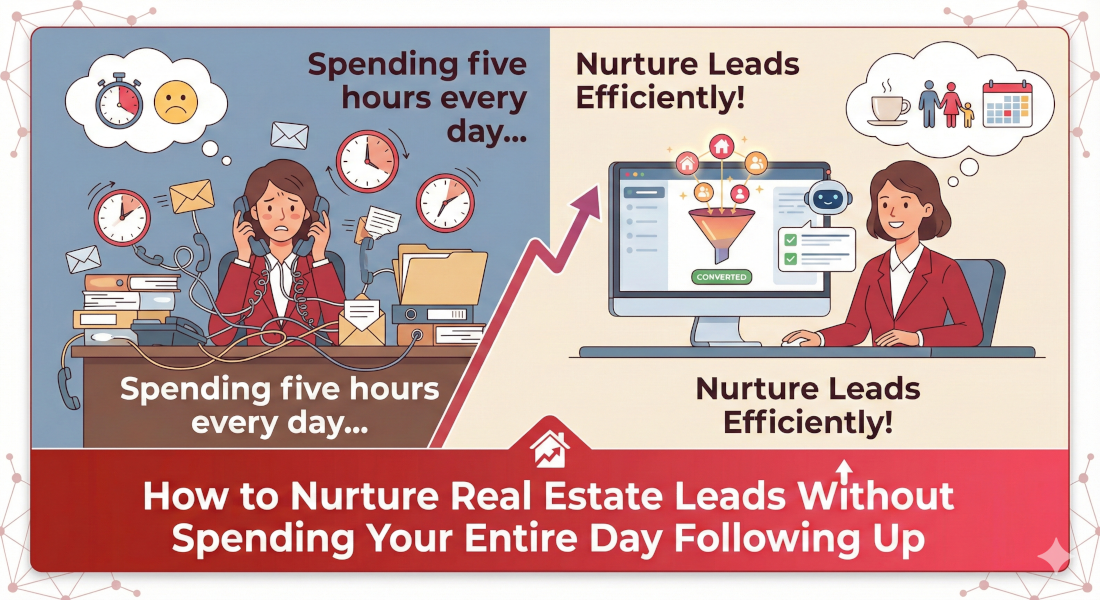
I remember when I first started working with real estate agents, one of them told me she spent almost five hours every day just trying to keep up with lead follow-up. Five hours. That's more than half her workday just trying to stay in touch with people who may or may not ever buy or sell a home. She was exhausted, overwhelmed and honestly considering leaving the business altogether.
The problem wasn't that she was bad at her job. The problem was that she was trying to manually manage something that technology could handle for her. And she's not alone. Most agents I talk to feel like they're drowning in follow-up tasks, watching leads slip through the cracks while they're busy chasing other opportunities.
Here's the thing though: lead nurturing doesn't have to consume your entire day. With the right systems and automation in place, you can stay top of mind with hundreds of leads without sacrificing your sanity or your schedule.
Why Most Agents Struggle With Lead Follow-Up
Let's be honest about what happens to most real estate leads. You generate them through open houses, social media, your website or referrals. You follow up once, maybe twice if you're disciplined. Then life happens. You get busy with a closing, show properties all weekend or deal with a demanding client. Before you know it, three weeks have passed and that lead has either forgotten about you or signed with someone else.
Research shows that only 2% of generated leads will convert into sales, which means you need a lot of leads in your pipeline. But here's the catch: 50% of all sales happen after the fifth touch. Most agents give up way too early because they simply don't have time to manually follow up five, six or seven times with every single lead.
The math just doesn't work. If you're generating 30-40 leads per month and each one requires multiple touchpoints, you'd need to be following up with hundreds of people at various stages. That's a full-time job by itself.
The Secret Isn't Working Harder, It's Working Smarter
I learned this lesson from watching the most successful agents I know. They're not superhuman. They don't work 80-hour weeks. What they do differently is leverage technology to automate the repetitive stuff so they can focus their energy on the high-value activities that actually close deals.
The foundation of smart lead nurturing is a good CRM system. And no, I don't mean a spreadsheet or a notebook. I mean actual customer relationship management software designed specifically for real estate.
Studies show that using CRM software can boost sales productivity by as much as 34%. That's not because the software does magic. It's because it handles all the tedious tracking, reminding and following up that would otherwise eat up your day.
Setting Up Your Lead Nurturing System
Here's what a proper lead nurturing system should do for you:
Capture and organize every lead automatically. When someone fills out a form on your website, responds to a Facebook ad or walks into your open house, their information should flow directly into your CRM without you lifting a finger. No more manually typing contact details into a spreadsheet at 10 PM.
Segment leads based on where they are in their journey. Not every lead is the same. Some are ready to buy next month. Others are just browsing and won't be ready for a year. Your system should help you categorize leads so you can tailor your follow-up accordingly. Hot leads need phone calls and personal attention. Cold leads can be nurtured with automated email campaigns until they warm up.
Trigger automated follow-up based on lead behavior. This is where things get really powerful. Modern CRM systems can watch what your leads are doing and respond automatically. If someone opens your email about condos downtown, the system can automatically send them listings in that area. If they visit a property page on your website three times, you get notified that they're hot and ready for a call.
Keep a complete history of every interaction. When you finally do get on the phone with a lead, you should be able to see every email they've opened, every property they've viewed and every interaction you've had. This makes your conversations feel personal and informed rather than generic and sales-y.
Automation That Actually Works
Let me walk you through what automated lead nurturing looks like in practice, because I think some agents worry that automation means sending robotic, impersonal messages. Done right, it's actually the opposite.
Drip email campaigns are your best friend for staying top of mind without lifting a finger. You set up a series of valuable emails once, and the system sends them out automatically based on triggers you define. For example, when a new buyer lead comes in, they might get an email immediately thanking them for reaching out, another email three days later with a buyer's guide, a market update a week later, and so on.
The key is that these emails should provide actual value. Nobody wants to be spammed with "just checking in!" messages. Send neighborhood guides, market reports, home buying tips, financing information or anything else your leads would genuinely find helpful. AI tools can now help create personalized content for leads based on their interests and needs, making your automated messages feel more human than ever.
Behavioral triggers take things to the next level. Instead of sending the same sequence to everyone, you can set up smart workflows that adapt based on what each lead does. If someone clicks on a link about first-time buyer programs, they might get added to a first-time buyer sequence. If they view luxury properties, they get different content than someone looking at starter homes.
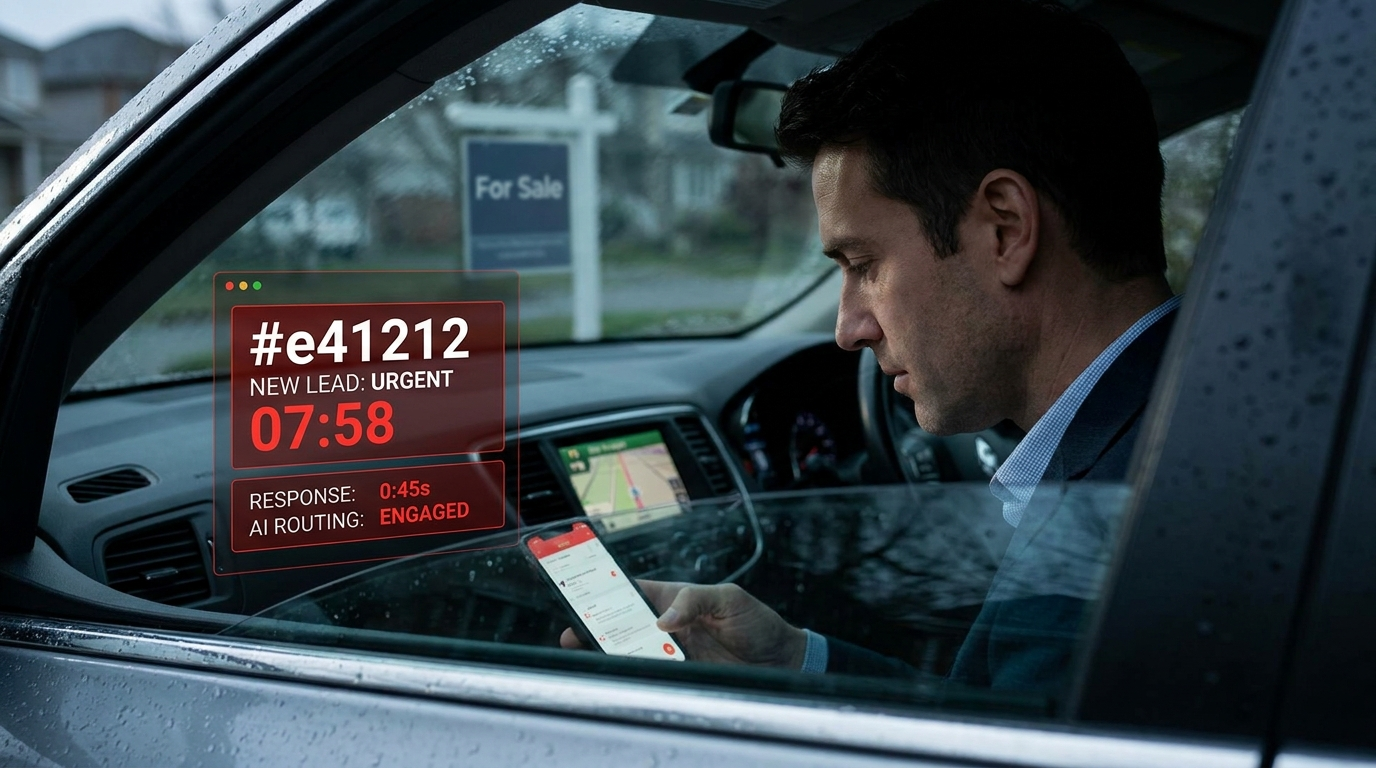
One study found that following up within a minute of an inquiry improved the chances of converting a lead by 391%. Obviously you can't personally respond to every inquiry within sixty seconds, but your CRM can send an instant automated response letting leads know you received their message and will be in touch soon. That immediate acknowledgment makes a huge difference.
Text message automation is becoming increasingly important too. Most people prefer texts to phone calls, especially for initial contact. You can set up automated text messages to reach out to new leads, follow up after appointments or check in with leads who've gone quiet. Just make sure you're following all the legal requirements around texting.
What You Should Still Do Manually
Here's what automation can't do: build genuine relationships. Technology can keep you top of mind and handle the repetitive touchpoints, but you still need to show up as a real human being at critical moments.
Make personal calls to hot leads. When your CRM alerts you that someone has viewed properties multiple times, opened several emails or engaged with your content in other ways, pick up the phone. That personal touch at the right moment is what turns a lead into a client.
Personalize your messages for high-value opportunities. The automated emails work great for the masses, but when you're working with a lead who's clearly serious, take the time to craft custom messages. Reference their specific situation, the properties they've been looking at or conversations you've had.
Show up in person when it matters. There's no substitute for face-to-face interaction when it comes to building trust. Use the time you save on administrative follow-up to attend more networking events, host client appreciation events or meet leads for coffee.
The point of automation is to free up your time for these high-impact activities, not to replace human connection entirely.
Time-Blocking Your Follow-Up Activities
Even with automation handling most of your lead nurturing, you still need dedicated time for the personal follow-up that closes deals. Most successful agents use time-blocking to ensure lead follow-up happens consistently rather than getting pushed aside by other tasks.
I recommend blocking out 30-60 minutes first thing in the morning for high-priority follow-up. Before you check email, before you scroll social media, you call your hottest leads. This ensures that the most important activity happens even if the rest of your day goes sideways.
Block another 30 minutes in mid-afternoon for responding to new inquiries and checking in with leads who are in active conversations with you. This keeps momentum going without letting follow-up consume your entire day.
The rest of your leads? They're being nurtured automatically through your drip campaigns, getting valuable content and staying warm until they're ready for that personal conversation.
The Tools That Make This Possible
You don't need to spend thousands of dollars on complicated software to make this work. There are CRM systems at every price point, from free options for newer agents to comprehensive platforms for established teams.
What matters more than the price is whether the system integrates with where you're generating leads. If you're running Facebook ads, your CRM should pull those leads in automatically. If you have an IDX website, it should track what properties people are viewing. The more integrated your systems are, the less manual work you have to do.
Look for a CRM that offers lead scoring capabilities. This means the system automatically ranks your leads based on their behavior and engagement. Someone who's opened five emails and viewed ten properties gets a higher score than someone who hasn't engaged in months. This helps you prioritize your personal follow-up time.
AI-powered chatbots can now nurture leads around the clock with personalized outreach, answering common questions and qualifying leads even while you sleep. This technology has come a long way and doesn't feel robotic anymore.
Building Your Lead Nurturing Content Library
Here's something most agents don't think about until they're setting up automation: you need content to send. The good news is that you can create a library of valuable resources once and use them over and over.
Start with the basics:
A buyer's guide explaining your market and the buying process
A seller's guide with tips for preparing a home for sale
Neighborhood guides for the areas you work in
Market reports and statistics about local trends
Financing information and lender referrals
Maintenance tips for homeowners
Seasonal real estate advice
You don't need to write a novel for each of these. A simple one-page PDF or a well-written email is enough. The key is that it's genuinely useful information, not just a thinly disguised sales pitch.
Once you have these resources, you can plug them into your automated sequences. A new buyer lead might get your buyer's guide immediately, your neighborhood guide a few days later, and a market report the following week. You created the content once, but it's working for you 24/7.
Measuring What Matters
One of the best things about using technology for lead nurturing is that you can actually see what's working. Your CRM should show you open rates on emails, click-through rates on links and conversion rates from lead to client.
Pay attention to these metrics. If nobody's opening your emails, your subject lines need work. If people are opening but not clicking, your content isn't compelling enough. If leads are engaging but not converting, you might need to improve your personal follow-up.
I've seen agents get obsessed with vanity metrics like total lead count, but what really matters is how many of those leads you're converting. Companies that nurture their leads experience a 45% increase in lead generation ROI. That's the number you should care about.
The Biggest Mistake Agents Make
You know what I see all the time? Agents who set up beautiful automated systems and then forget about them. They create an email sequence, turn it on and never look at it again. Six months later they wonder why it's not working as well.
Your lead nurturing system needs regular attention. Not daily attention, but you should review and update your content quarterly. Markets change. Your message evolves. What worked last year might feel stale now.
Also, make sure you're monitoring your automated messages for errors. I once knew an agent who had an automated text going out that referenced listings that had sold months ago. Super embarrassing and easily preventable with a quick monthly check.
Why Consistent Referral Flow Matters
Here's the truth about lead generation: even with the best nurturing system in the world, you're still dependent on generating new leads constantly. That's exhausting and expensive. Some months you'll generate 50 leads, other months you'll get 10. That inconsistency makes it hard to build a sustainable business.
This is exactly why so many agents are moving to referral-based lead generation. Instead of constantly hustling for new leads, you receive a steady flow of referrals each month. The leads still need nurturing of course, but at least you know they're coming.
Working with a referral service like Pay Per Closing means you're getting exclusive leads sent directly to you every month. You're not competing with three other agents for the same lead. You're not paying sky-high referral fees like you might with some of the big national platforms. And you get access to CRM tools and AI-powered nurturing systems to help you work those leads efficiently.
The combination of consistent lead flow plus smart automation means you can actually build a predictable business instead of constantly worrying about where your next deal is coming from.
Taking Action on Lead Nurturing
Look, I get it. Setting up systems feels overwhelming when you're already busy trying to close the deals you have. But here's the thing: every day you put off building your lead nurturing system is another day you're letting potential business slip away.
Start small. Pick one automated sequence to create this week. Maybe it's a simple welcome series for new leads, or a re-engagement campaign for leads who've gone cold. Get that working, then add another sequence next month.
The agents who succeed in this business long-term aren't the ones who grind the hardest. They're the ones who build systems that work for them, allowing them to focus their energy on the parts of real estate that actually require a human touch.
Stop spending your entire day on follow-up. Let technology handle the repetitive stuff. Use your time to build relationships, close deals and actually enjoy your business again.
If you're tired of inconsistent lead flow and want to receive exclusive referrals every month along with the CRM tools to nurture them effectively, check out Pay Per Closing. They offer real estate agents a steady stream of referral leads at low referral fees, plus all the automation tools you need to convert those leads without working around the clock. It's time to work smarter, not harder.