I've been in real estate for over a decade, and one thing I've learned is that closing a deal is just the beginning of a relationship, not the end. Yo...
I've been in real estate for over a decade, and one thing I've learned is that closing a deal is just the beginning of a relationship, not the end. Your past clients represent one of the most valuable assets in your business - they're already satisfied customers who can become your biggest advocates for real estate referrals.
But here's the thing: most agents drop the ball after closing. They send a thank you card, maybe a holiday greeting, and then radio silence. Meanwhile, their clients are out there meeting new people, chatting with neighbors, and encountering folks who need to buy or sell homes. Without consistent engagement, you become a distant memory when referral opportunities arise.
The Long Game: Strategic Follow-Up Systems
Effective long-term follow-up isn't about bombarding people with generic messages. It's about creating a systematic approach that provides value while keeping you present in their minds. I've found that the most successful agents have follow-up sequences that extend well beyond the first year after closing.
Start with your immediate post-closing period. Week one should include a personal call to ensure everything is going smoothly with their new home. Month one deserves a handwritten note asking about their settling-in experience. At the three-month mark, check in about any seasonal maintenance needs or local service recommendations.
The six-month follow-up is where many agents peter out, but this is actually prime time. By now, your clients have lived through different seasons in their home and likely have stories to share. They've also had time to meet neighbors and establish themselves in the community.
Year one and beyond is where the real magic happens. Annual check-ins about home value updates, market conditions, and neighborhood changes position you as their ongoing real estate advisor, not just someone who helped them once.
Meaningful Check-Ins That Actually Matter
Generic "how are you doing" messages get deleted or ignored. Meaningful check-ins require a bit more thought and personalization. I keep detailed notes about each client's situation, interests, and life events so I can reference them in future communications.
If they mentioned during closing that their daughter was applying to colleges, follow up months later to ask how the process is going. If they were excited about starting a garden, check in during spring to see how it's flourishing. These personal touches show you actually listened and cared about them as people, not just transactions.
Timing also matters significantly. Reaching out during major life events - job changes, family additions, anniversaries of their purchase - feels natural and appropriate. I also use local events as conversation starters: "Saw the new coffee shop opened near you - have you tried it yet?"
Content That Keeps You Top of Mind
Creating valuable content for your sphere doesn't require you to become a full-time blogger or social media influencer. Focus on information that's genuinely useful to homeowners in your area.
Market updates work well, but make them specific to their neighborhood or property type. Instead of broad city-wide statistics, share insights about their specific area: "Homes in your neighborhood are selling 15% faster than last year" hits differently than generic market reports.
Home maintenance tips tied to seasons or local conditions provide real value. In my area, we get intense summer heat, so I share cooling system maintenance tips before the hot months hit. During winter, it's all about pipe protection and heating efficiency.
Local business spotlights and community event information also perform well. Your past clients appreciate recommendations for contractors, restaurants, and services. You're positioning yourself as their neighborhood insider and resource hub.
Getting Involved in Your Community
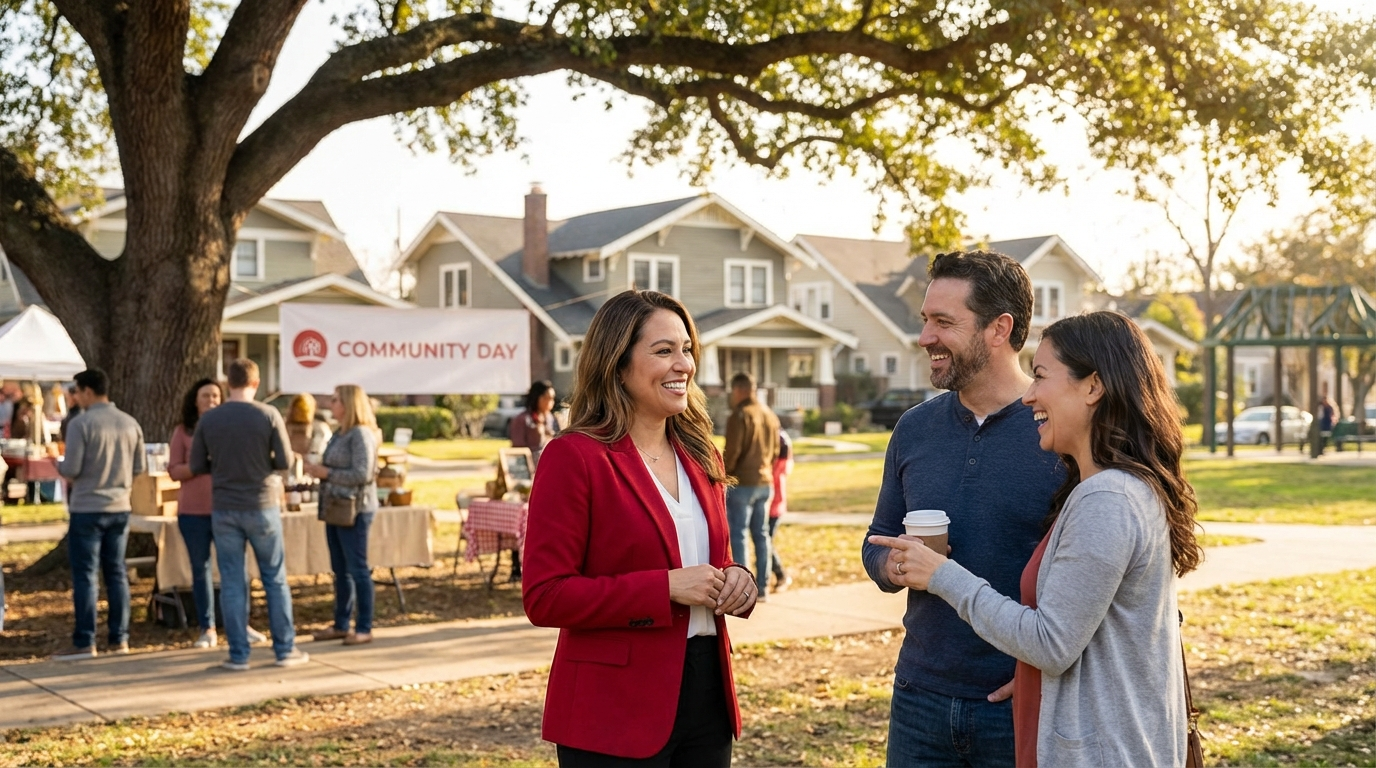
Community involvement serves dual purposes: it keeps you visible to past clients while also attracting potential new ones. But it has to be genuine - people can smell inauthentic community participation from a mile away.
Choose causes or organizations that align with your personal interests. If you love dogs, volunteer with local animal shelters. If you're passionate about education, get involved with school fundraisers or reading programs. Your enthusiasm will be authentic, and past clients will see you as a community contributor, not just someone trying to drum up business.
Local event sponsorship can be effective, but avoid the generic "John Smith Real Estate" banner approach. Get creative with your involvement. Sponsor a Little League team and attend games. Set up a booth at community festivals with valuable giveaways - not cheap pens with your name on them, but actually useful items.
Social media amplifies your community involvement efforts. When you post about volunteering at the food bank or attending a neighborhood clean-up day, past clients see you as an engaged community member they'd be proud to recommend.
The Technology Factor
Managing ongoing relationships with hundreds of past clients requires systems and tools. A good CRM system helps track important dates, preferences, and interaction history. But don't let technology replace genuine human connection - use it to enhance and organize your efforts.
Automated drip campaigns can handle routine follow-ups, but always include personal touches. Even if you're using email templates, customize subject lines and add personal notes. "Hope Sarah's soccer season is going well!" takes thirty seconds to add but makes the entire message feel personal.
Calendar reminders for important dates - birthdays, purchase anniversaries, children's graduations - ensure you never miss opportunities for meaningful outreach.
Measuring Your Sphere Engagement Success
Track your sphere engagement efforts like any other business activity. Monitor response rates to your communications, note which types of content generate the most engagement, and pay attention to referral patterns.
I keep a simple spreadsheet tracking my past clients' referral activity. Clients who receive regular, valuable communication consistently refer more business than those who only hear from me during holidays or when I need something.
The goal isn't just getting referrals - it's creating relationships where past clients actively think of you when real estate opportunities arise in their networks.
Building a Referral-Generating Sphere
Transforming past clients into referral champions takes time, consistency, and genuine care. But the investment pays dividends. A well-nurtured sphere of past clients can provide a steady stream of warm referrals, reducing your dependence on expensive lead generation methods.
However, even the best sphere engagement strategy takes time to develop momentum. While you're building those long-term relationships, you still need consistent leads coming in to maintain your business growth. This is where services like Pay Per Closing can fill the gap, providing you with exclusive real estate referrals every month while you're developing your sphere engagement systems.
The beauty of combining both strategies is that they complement each other perfectly. Pay Per Closing helps maintain steady deal flow while you're nurturing past clients into future referral sources. With no required monthly fees and low referral costs, it's a cost-effective way to ensure consistent business while your sphere engagement efforts mature.
Ready to supplement your sphere engagement with consistent referral leads? Check Your Territory to see what exclusive opportunities are available in your area through Pay Per Closing.